The GLP-1 Diet in 2026: What to Eat on Ozempic, Wegovy, and Mounjaro
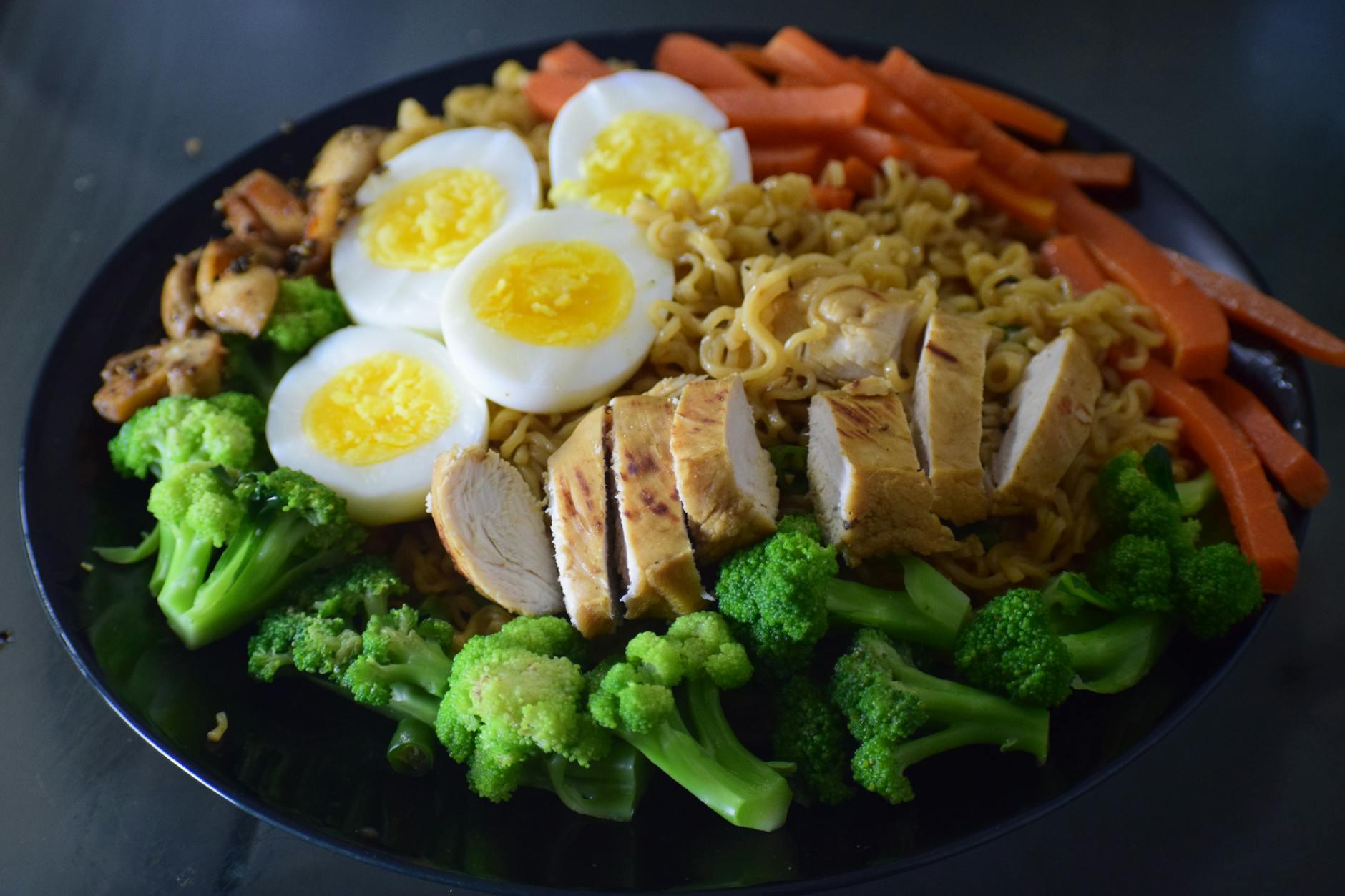
You started the medication and your hunger disappeared. Great. Now what do you actually eat? Half a chicken breast and a forkful of rice? A protein shake and call it dinner? Skip lunch because food sounds gross? The GLP-1 diet isn't about eating less — the drug handles that. It's about getting enough of the right things into a body that has stopped asking for them.
Why "Diet" Means Something Different on GLP-1
Most diet plans are built around restraint. Eat less. Cut carbs. None of that applies on Ozempic, Wegovy, or Mounjaro. The drug already cut your appetite by 50–70%. The danger is no longer overeating — it's undereating in a way that strips muscle, drops your energy, and leaves you nutritionally hollow.
You have a tiny daily food window. Whatever fits inside it has to count. A handful of chips on Ozempic isn't "a snack" — it's potentially a third of your daily calories with almost no protein, fiber, or micronutrients. That's the math.
The Three Numbers That Matter
Forget calorie counting. On a GLP-1, three other numbers actually drive results.
1. Protein (g per day)
This is the hero metric. Aim for 0.7 to 1.0 grams of protein per pound of goal body weight — 100–150g per day for most adults. Rapid weight loss without enough protein takes muscle with it: GLP-1 trial data suggests 25–40% of total weight lost can come from lean mass when protein is inadequate. Lose muscle and your metabolism crashes, your body composition gets worse even as the scale drops, and regain risk after stopping the drug skyrockets.
2. Water (oz per day)
GLP-1s slow gastric emptying. You feel full longer and forget to drink. Dehydration shows up as headaches, constipation, fatigue, and dizziness — usually blamed on the drug when it's really the absence of water. Aim for at least half your body weight in ounces. Sip throughout the day, not in big gulps.
3. Fiber (g per day)
Constipation is one of the most common GLP-1 side effects. Fiber fixes it. Target 25–35g per day from vegetables, fruit, beans, and whole grains. Add it slowly — going from 8g to 30g overnight will give you cramps.
If your daily food log shows 90g protein, 80oz water, and 28g fiber, you're already doing the GLP-1 diet correctly. Calories are almost an afterthought when those three numbers are dialed in.
Foods That Actually Work on GLP-1
These foods deliver the most protein, micronutrients, and tolerability per bite — exactly what a small stomach window needs.
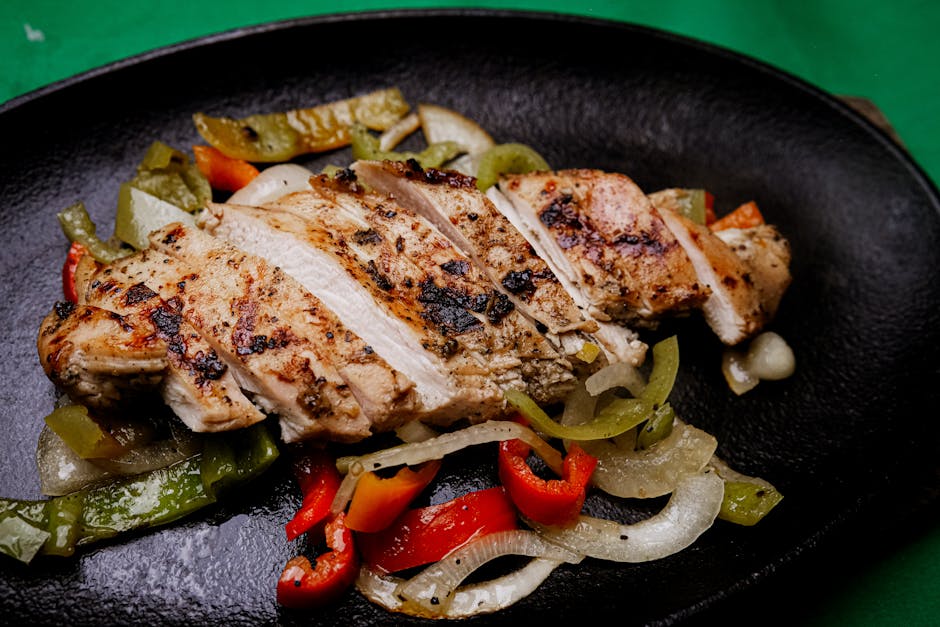
- Lean protein: chicken breast, turkey, white fish, shrimp, lean pork. 25–30g protein per 4oz serving and easier to digest than fatty cuts.
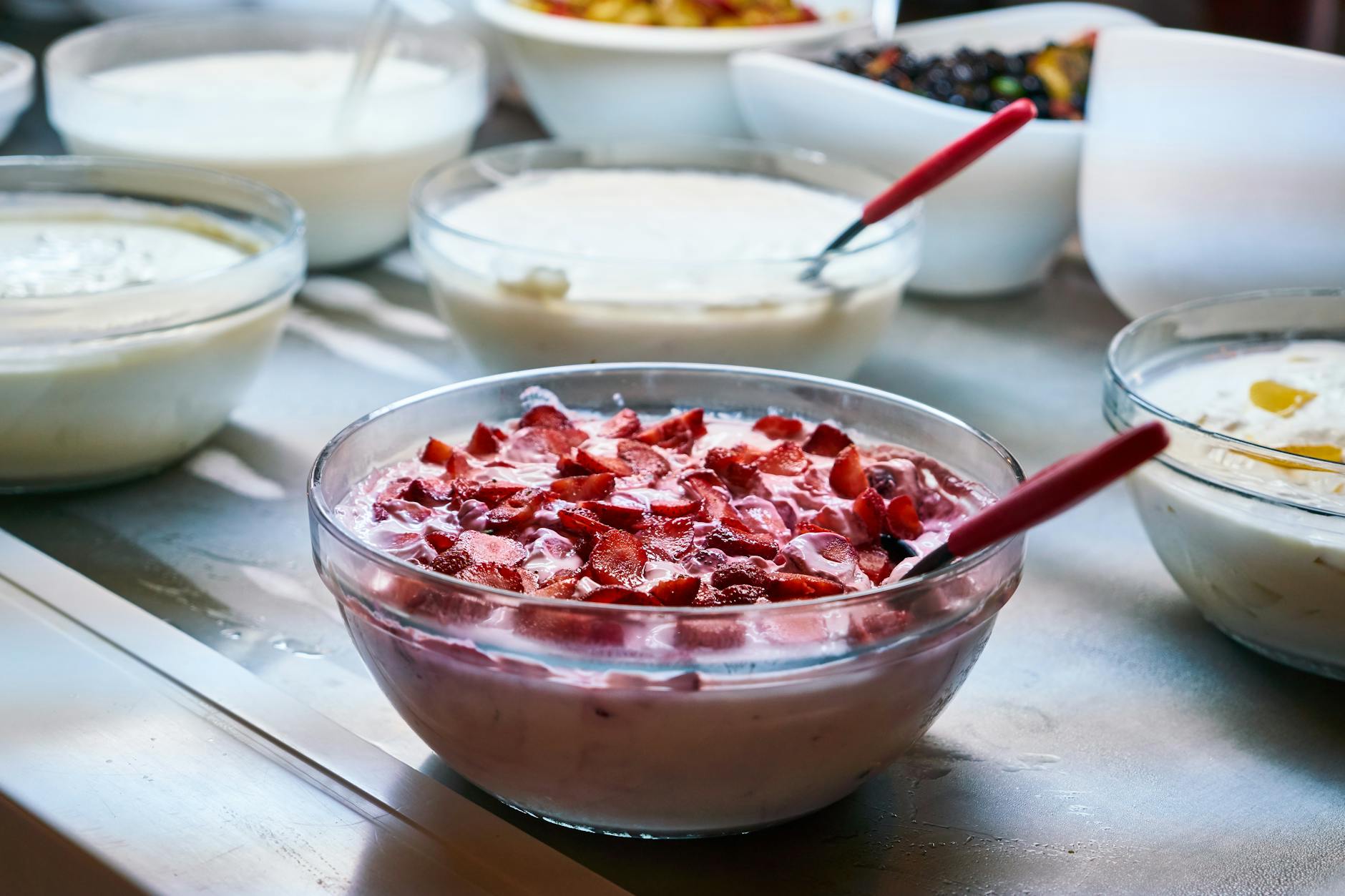
- Greek yogurt and cottage cheese: 15–25g protein per cup, soft texture, easy on a queasy stomach.
- Eggs: Two scrambled eggs is 12g of protein in something most GLP-1 users can actually finish.
- Tofu and tempeh: Plant-based, protein-dense, gentle on digestion.
- Bone broth and clear soups: Hydration plus protein in liquid form. Useful on dose-increase weeks.
- Berries, citrus, and melons: Hydrating and fiber-rich without the volume of a banana or apple.
- Cooked vegetables: Steamed or roasted is gentler than raw salads, which sit heavy.
- Whey or plant protein shakes: The easiest way to add 25g of protein on a day when nothing sounds good.
Foods That Will Wreck You
These trigger the worst GLP-1 side effects. Most users figure this out the hard way around week 3.
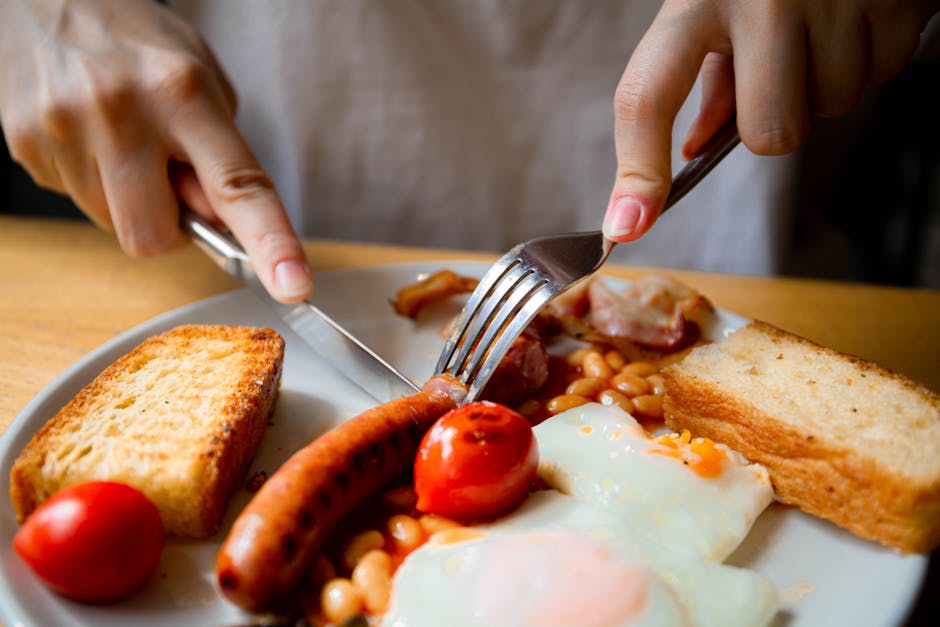
- Fried and high-fat foods: Slowed gastric emptying plus fat equals 6+ hours of nausea.
- Sugary drinks and desserts: Spike blood sugar and dump empty calories into your tiny food window.
- Carbonated beverages: Bloat is already a GLP-1 issue. Adding gas makes it worse.
- Heavy red meat in large portions: A small filet is fine. A 16oz ribeye is asking for 8 hours of regret.
- Alcohol: Hits harder, worsens dehydration, and adds calories with zero nutrition.
- Highly processed snacks: High calories, low protein — they crowd out the foods you actually need.
How to Structure a Day on GLP-1
The 3-meals-a-day pattern doesn't really fit. A better template:
- Front-load protein early. Appetite is highest in the morning before doses peak. Get 30–40g of protein in by 10am.
- 4–5 small "checkpoints" instead of meals. Three bites here, half a bowl there. Aim for 20–30g protein at each.
- Hydrate between, not during. Drinking with meals crowds out food. Sip water 30 minutes before and after.
- Keep emergency protein on hand. A shake, jerky, a hard-boiled egg — for the days you forget to eat until 3pm.
The Most Common GLP-1 Diet Mistakes
From watching hundreds of GLP-1 users in the HealthyOne app, the same patterns show up again and again:
- Skipping meals because you're not hungry. No appetite isn't permission to eat 600 calories — that's how you lose 40% muscle.
- Drinking your calories. A 200-calorie iced coffee with no protein is a wasted slot.
- Treating "less food" as "less effort." Planning actually goes up on a GLP-1, not down.
- Ignoring micronutrients. Rapid weight loss exposes deficiencies in magnesium, B12, iron, and vitamin D.
- Not adjusting at dose increases. The diet that worked at 0.5mg won't work at 1.0mg without recalibrating.
How HealthyOne Fits Into a GLP-1 Diet
Most nutrition apps were built for the "eat less" problem. HealthyOne was built for the "eat the right things in tiny portions" problem — exactly the GLP-1 problem.
The protein-first dashboard puts your daily protein number at the top of the screen, not buried under calories. Photo, voice, text, or barcode logging takes about 10 seconds per meal. The app tracks 50+ nutrients, so you can see when your magnesium or B12 is dropping. The fasting tracker handles the long natural fasting windows GLP-1 users fall into, Apple Health and Google Health Connect sync your weight and body composition, and the Power Score rewards you for hitting protein and nutrient targets even on low-calorie days — the opposite of how MyFitnessPal scolds you for "under-eating."
The Bottom Line
The GLP-1 diet in 2026 has nothing to do with willpower or restriction. The drug handles that. Your job is to take the small amount of food you can actually eat and make it count: protein first, hydration second, fiber third, and nutrients tracked so you don't bleed out micronutrients while the scale drops.
Get those four things right and you'll lose fat, keep muscle, feel better than you did at the start, and hold the weight when you eventually taper. Get them wrong and you'll be the GLP-1 horror story — skinny, weak, deficient, and gaining it all back the second you stop the drug.
Considering a GLP-1? Talk to a licensed clinician online.
ShedRx pairs you with a licensed clinician for semaglutide or tirzepatide weight-loss treatment, plus health coaching and supplements — all shipped to your door. Available in all 50 states.
Start your ShedRx visit →Want to compare options? See bmiMD personalized GLP-1 telehealth →
This section contains affiliate links. HealthyOne may earn a commission if you sign up through them, at no extra cost to you. HealthyOne is not a medical provider; these are independent telehealth companies. Always consult a licensed clinician.
Track the GLP-1 diet the way it actually works
Protein-first dashboard. 50+ nutrient tracking. Side-effect logging. Photo, voice, text, and barcode meal logging in 10 seconds. 7-day free trial, then $7.99/month.
Try HealthyOne Free